
Eel Pie Island
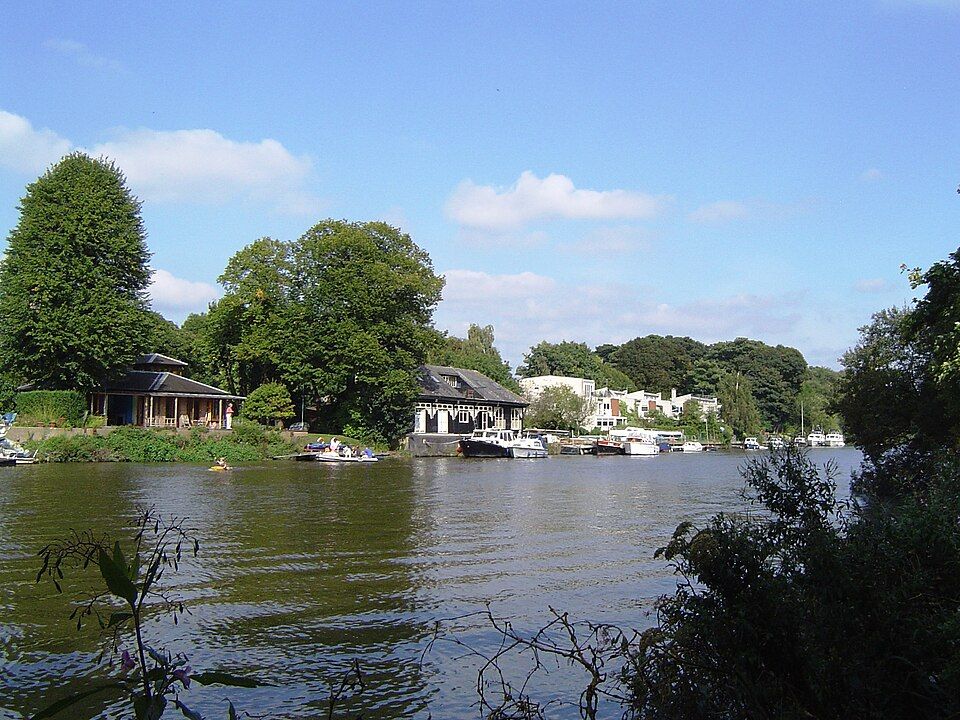
A small Thames island near Twickenham reached by a footbridge, home to a community of artists' studios and a former hotel and jazz club that hosted early gigs by The Rolling Stones and The Who.
- Hidden gem
- Price: Free
Did you know
The island's hotel hosted a run of pioneering rhythm and blues and rock club nights through the 1960s that gave early stage time to The Rolling Stones, The Who and Rod Stewart, before the venue burned down in 1971, and today around 30 artists keep working studios on the island.
Local tip
The island isn't generally open to the public, artists' studios only open during scheduled Open Studios weekends a few times a year, so check the Eel Pie Island Artists website for dates and book a free timed slot in advance rather than turning up unannounced.
Finding it
- Address
- St Margarets, London Borough of Richmond upon Thames, Greater London, England
- Nearest station
- Twickenham (National Rail), 673 m away
Details change, so check with the place before you set off.
More places nearby
- Orleans House GalleryA free gallery in Twickenham built around the Grade I listed Baroque Octagon Room, with changing exhibitions, the Richmond borough art collection, woodland gardens and a cafe.
- Ham HouseA rare, largely unaltered 17th-century mansion on the Thames at Richmond, built in 1610 and transformed into an opulent Stuart-era home by Elizabeth Murray, Countess of Dysart, and her husband the Duke of Lauderdale.
- Marble Hill HouseA Palladian villa in Twickenham built in the 1720s for Henrietta Howard, mistress of the future King George II, as her own retreat away from court life.
- Strawberry Hill HouseHorace Walpole's own "little Gothic castle" in Twickenham, built and expanded from 1749 onward and now recognised as the founding building of the entire Gothic Revival architectural style.